Featured
The Buzz on Complimentary Online Financial Literacy Resou...
Reviewing APFSC to Choose the Right Match Fundamentals Ex...
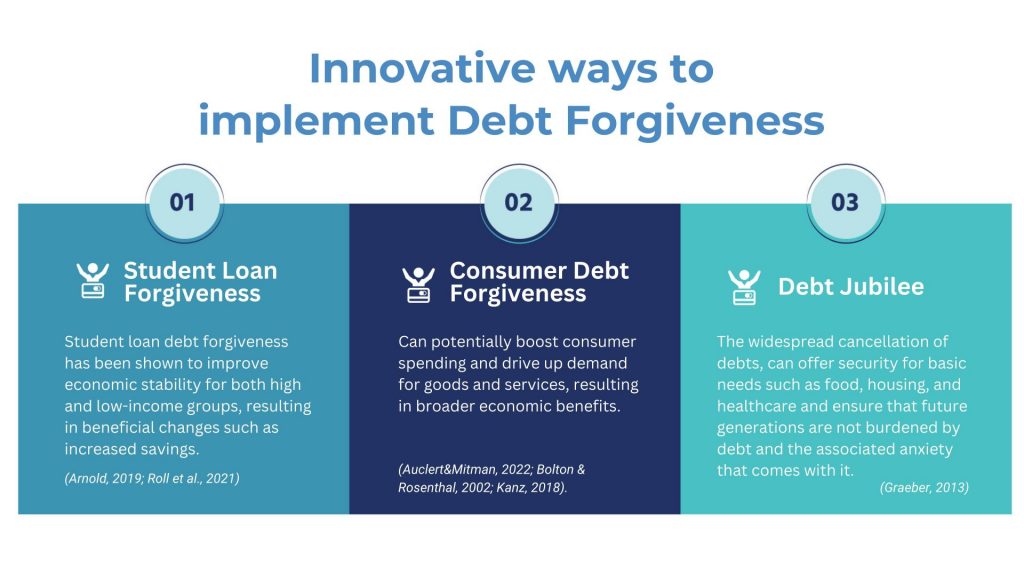
The Greatest Guide To Comparing Debt Forgiveness Services...

What Does Bankruptcy Basics Before Consulting Do?
Table of Contents
That frees up money in the short term, and you may have 3 to 4 years to conserve towards the settlement quantity. Really hazardous to credit history, mostly as a result of missed out on repayments and an adverse "cleared up" mark that could remain on your debt record for as much as seven yearsMay be just choice if various other choices (debt consolidation, equilibrium transfer bank card, debt forgiveness) aren't possibleTypically requires a charge to the third event, which can offset some or all of the financial savings from debt settlementMay aid you stay clear of bankruptcy if you have actually missed several paymentsNot all lenders deal with debt settlement companies Financial debt mercy may be right for you if you are experiencing a financial difficulty that makes it virtually difficult to pay down your financial obligation balances.
With a DMP, you make one monthly repayment to the credit history therapy company. Those funds are then distributed to financial institutions of your unprotected debts, such as debt cards and installment loans. The firm works with your financial institutions to lower interest rates or waive charges, but some creditors may decline such giving ins.
It can assist you pay down debt if you're able to protect a funding price that's reduced than the typical price of the accounts you're settling. You must refrain from racking up debt on those freshly removed accounts or your debt could expand also greater.
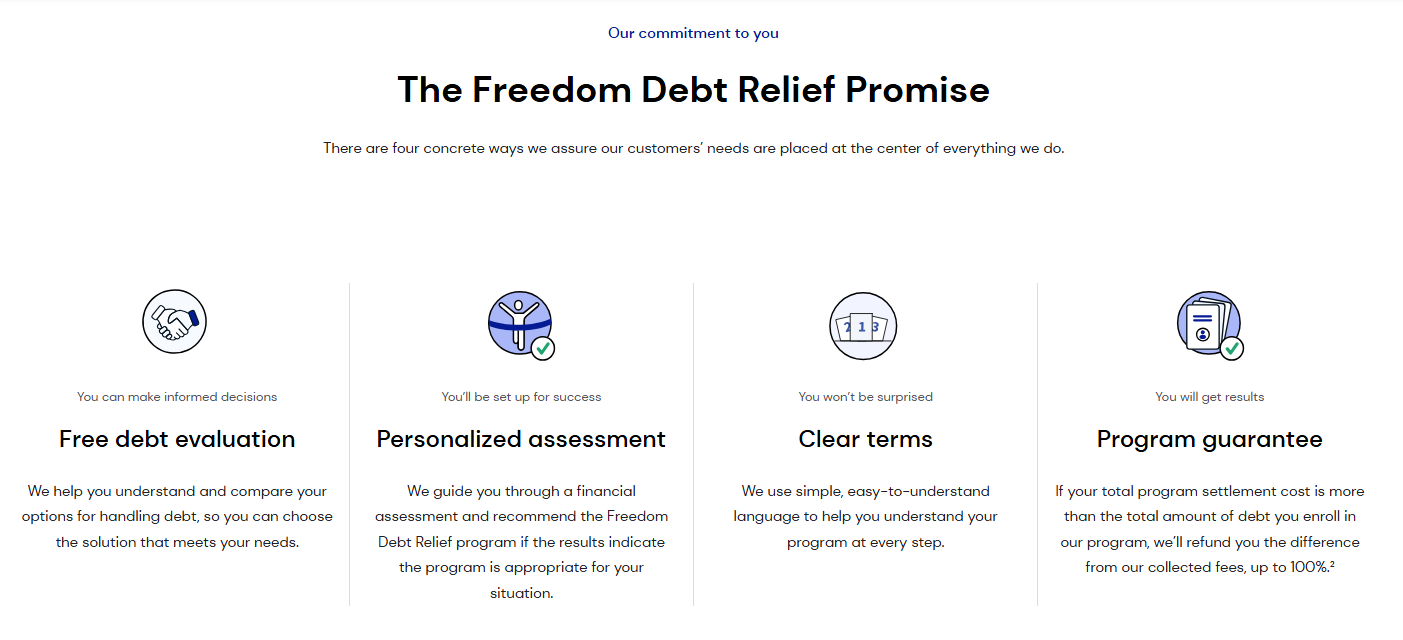
That offers you plenty of time to remove or substantially lower your balance while making interest-free settlements.
4 Easy Facts About Maintaining a Sustainable Financial Plan That Works Described
You might require it if your financial institution or a collection company ever before tries to collect on the financial obligation in the future. When a lender forgives $600 or even more, they are required to send you Form 1099-C.
Financial obligation mercy or settlement generally hurts your credit. Anytime you settle a financial obligation for less than you owe, it might look like "resolved" on your debt record and affect your credit rating for 7 years from the day of settlement. Your credit score can likewise go down significantly in the months resulting in the mercy if you fall behind on repayments.
The Definitive Guide for Rebuilding Personal Credit History the Right Way
This circumstance typically results from underreporting earnings, not submitting returns on time, or discrepancies discovered during an Internal revenue service audit. The consequences of building up tax obligation debt are major and can consist of tax obligation liens, which give the IRS a legal insurance claim to your home as security for the financial obligation.
Higher passion rates on available credit rating. Salaries and Bank Accounts IRS can impose (seize) salaries and savings account to please the financial obligation. Decreased revenue and disturbance of important economic procedures. Property Seizure In severe situations, the internal revenue service can seize and sell residential property to cover the financial debt. Loss of important assets and possible variation.
Social Stigma Facing legal activity from the Internal revenue service can bring social stigma. Employment Opportunities A bad credit rating score due to tire financial obligation can restrict employment possibilities. Government Advantages Tax financial debt might affect qualification for government benefits, such as Social Safety And Security and Medicaid.
Some Known Incorrect Statements About How Waiting to Seek Bankruptcy Counseling Makes Things Worse
The OIC considers several variables, consisting of the taxpayer's income, expenditures, asset equity, and capacity to pay. Successfully bargaining an OIC can be complicated, calling for an extensive understanding of the internal revenue service's guidelines and a solid argument for why your deal straightens with your capability to pay. It is very important to keep in mind that not all applications are accepted, and the process needs thorough economic disclosure.
The internal revenue service assesses your general financial situation, including your revenue, expenses, property equity, and capacity to pay. You should also be present with all declaring and payment requirements and not be in an open bankruptcy proceeding. The internal revenue service also considers your conformity background, assessing whether you have a record of prompt filing and paying taxes in previous years.
Rumored Buzz on Real Experiences of Individuals Who Found Peace of Mind
The application procedure for a Deal in Compromise entails a number of in-depth steps. You must finish and send IRS Type 656, the Offer in Compromise application, and Type 433-A (OIC), a collection information statement for people. These kinds require extensive economic info, consisting of information regarding your income, financial obligations, expenditures, and possessions.
Back taxes, which are unpaid tax obligations from previous years, can significantly raise your total IRS debt otherwise addressed immediately. This financial debt can build up interest and late settlement fines, making the initial amount owed much larger in time. Failure to repay taxes can lead to the internal revenue service taking enforcement actions, such as providing a tax lien or levy against your residential property.
It is necessary to address back tax obligations as soon as possible, either by paying the full quantity owed or by setting up a layaway plan with the internal revenue service. By taking proactive steps, you can prevent the buildup of added passion and fines, and prevent more aggressive collection activities by the IRS.
One typical reason is the idea that the taxpayer can pay the sum total either as a round figure or through a settlement plan. The internal revenue service also takes into consideration the taxpayer's income, expenses, property equity, and future earning possibility. If these aspects indicate that the taxpayer can afford to pay greater than the supplied quantity, the internal revenue service is most likely to decline the offer.
How What Regulations Guarantees According to Bankruptcy Law can Save You Time, Stress, and Money.
It is essential to give exact and full details in your application and to seek advice from a tax obligation specialist to improve the opportunities of approval. Managing IRS financial debt can be complicated and overwhelming. Tax obligation experts, such as Certified public accountants, tax obligation attorneys, or registered agents, can supply invaluable assistance. They have the expertise to browse the intricacies of tax obligation regulation and IRS treatments.

Table of Contents
Latest Posts
What Does Bankruptcy Basics Before Consulting Do?

The Buzz on Complimentary Online Financial Literacy Resources That Help Families

Reviewing APFSC to Choose the Right Match Fundamentals Explained
More
Latest Posts
What Does Bankruptcy Basics Before Consulting Do?
The Buzz on Complimentary Online Financial Literacy Resources That Help Families
Reviewing APFSC to Choose the Right Match Fundamentals Explained